
Estimated Reading Time: 3-4 minutes
If your St. Petersburg home needs fumigation for drywood termites or other pests, you may have noticed that scheduling has become more complex this year. That's because the U.S. Environmental Protection Agency (EPA) recently approved important safety updates to the Vikane® fumigation label, and these changes are now mandatory for all certified applicators across Florida.
At Geiger's Pest Services, we're committed to keeping you informed about how these regulatory updates impact your fumigation service. While the new requirements extend treatment timelines, they're designed to enhance safety for you and your family when returning home after fumigation.
Understanding the Recent Label Changes
The EPA approved revised product labels for sulfuryl fluoride (marketed as Vikane®) on July 11, 2024, following a comprehensive safety review. These changes came in response to safety concerns identified in residential fumigations and represent the most significant updates to fumigation protocols in years.
Vikane® has been the industry standard for whole-structure fumigation since the 1950s, effectively eliminating drywood termites, powder post beetles, and other wood-destroying pests that can cause serious damage to Florida homes. As a restricted-use pesticide, Vikane® can only be applied by certified professionals who have completed specialized training—a requirement that Geiger's Pest Services has always exceeded.
Key Changes to Vikane® Fumigation Procedures
Extended Aeration Times
The most significant change involves longer aeration periods to ensure sulfuryl fluoride concentrations reach safe levels before homeowners can return. Previously, only one hour of active aeration was required. Now, two full hours are required.
Active aeration involves using fans and opening windows to force the gas out of the structure, while passive aeration allows natural air exchange to continue, reducing gas concentrations.
Mandatory Waiting Period Before Testing
Under the new requirements, fumigation professionals cannot test a structure for safe Vikane® levels within 12 hours after completing active aeration. This waiting period ensures that gas concentrations have stabilized throughout the entire structure, including hard-to-reach areas like wall voids and attic spaces.
Extended Timelines for High-Concentration Treatments
Certain pest infestations require higher concentrations of Vikane® for effective control. When treating persistent pests like bed bugs, wood-boring beetles, or Formosan termites, even longer wait times are now mandatory before testing can begin. These extended periods account for the increased dosage needed to penetrate deeply into infested materials.
How These Changes Affect Your Fumigation Timeline
For St. Petersburg homeowners, these new safety measures translate to longer periods away from your property during fumigation. While the exact timeline varies based on your home's size, construction, and the specific pest problem being addressed, you should plan for an extended absence of at least 2-3 full days:
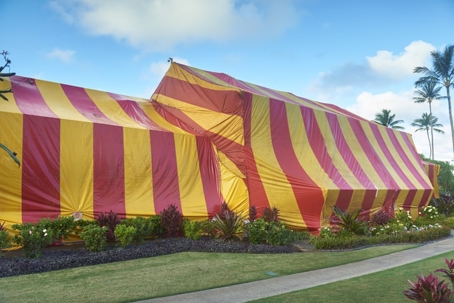
Day 1: Preparation and Fumigation - Your fumigation team seals your home with tarps, introduces the warning agent chloropicrin, and then releases Vikane® throughout the structure. The gas remains contained for the prescribed exposure period, typically ranging from 16 to 24 hours depending on temperature, pest type, and infestation severity.
Day 2: Active Aeration Begins - After the exposure period, technicians remove tarps and begin the two-hour active aeration process, using fans and opening all accessible windows and doors to force the gas out of your home.
Day 3: Waiting and Testing - Following the mandatory 12-hour waiting period after active aeration, certified technicians use specialized clearance devices to measure sulfuryl fluoride concentrations in multiple breathing zones throughout your home. Only when levels measure 1 part per million or lower in all tested areas can your home be cleared for reentry.
Why These Safety Measures Matter
The EPA's safety review was prompted by at least 11 deaths and two serious injuries that occurred during residential fumigations in California and Florida since 2002. These tragic incidents happened after homes had been cleared for reentry, highlighting the need for more robust safety protocols.
The new label requirements address several critical safety factors:
Extended aeration times ensure thorough gas dissipation throughout the structure
Mandatory waiting periods allow concentrations to stabilize in all areas of the home
Improved testing protocols give homeowners and fumigation professionals confidence that measured safety levels are reliable
The EPA also conducted extensive testing of clearance devices to verify their accuracy, providing additional assurance for safe reentry.
What to Expect When Scheduling Your Fumigation
As drywood termite activity increases during Florida's warmer months, these new requirements significantly impact the number of fumigations we can schedule each day. Where we previously might have completed multiple jobs in a single day, the extended timelines now limit our daily capacity.
Plan Ahead for Peak Season
Drywood termite season in St. Petersburg typically peaks from May through September, when warm temperatures and higher humidity create ideal conditions for termite activity. During these busy months, scheduling availability becomes more limited as we balance the new timing requirements with customer demand.
We recommend contacting us as soon as you suspect termite activity or receive a recommendation for fumigation from a home inspector. Early scheduling helps ensure you can secure a convenient date for your fumigation service, and it gives you adequate time to prepare your home for the treatment.
Prepare for Extended Relocation
With the new safety requirements, you should expect to be away from your home for at least two to three full days—and potentially longer depending on various factors. Many St. Petersburg residents stay with family or friends, while others opt for local hotels. Don't forget to make arrangements for any temperature-sensitive items in your home.
Trust Certified Professionals
These new requirements apply to all fumigation companies operating in Florida, but not all pest control providers maintain the same level of certification and expertise. Geiger's Pest Services holds the exclusive Commitment to Excellence certification from Douglas Products, the manufacturer of Vikane®. Our family-owned business has been serving St. Petersburg since 2000, and we've built our reputation on thorough, safe, and effective fumigation services.
Your Safety Is Our Priority
While the new Vikane® label requirements extend fumigation timelines and impact scheduling, these changes represent a crucial investment in homeowner safety. At Geiger's Pest Services, we've always prioritized safe fumigation practices, and we support the EPA's enhanced protocols.
The reality is that fumigation remains the most effective solution for eliminating drywood termite infestations throughout an entire structure. Unlike spot treatments that address only visible damage, whole-structure fumigation with Vikane® penetrates every crack, crevice, and void in your home, eliminating both active termites and their eggs in a single treatment.
Get Expert Guidance Today
If you have questions about the new fumigation requirements or need to schedule a termite inspection for your St. Petersburg property, we're here to help. Our experienced team can assess your specific situation, explain the fumigation process in detail, and work with you to find a convenient scheduling window that accommodates both your needs and the new safety protocols.
Contact Geiger's Pest Services today at (727) 761-9385 or fill out our online contact form to schedule a termite inspection!